
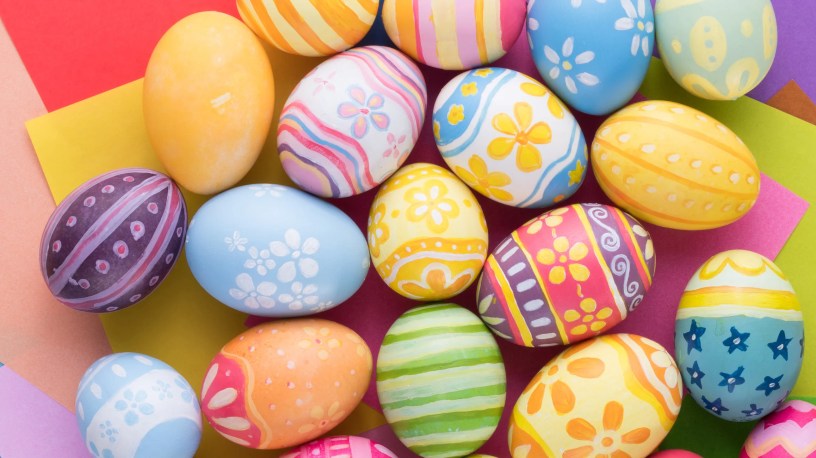
Easter, with its vibrant eggs and decadent chocolate, embodies a tradition steeped in history and significance. Delving into the origins of these delights unveils a profound connection to ancient customs and legends, infusing them with enduring symbolic and cultural importance.
The age-old practice of exchanging eggs during Easter is cloaked in mystery and symbolism, with pagan roots that trace back to ancient times. This festive tradition has been handed down through generations over the millennia, evolving into the colorful and joyous ritual we cherish today.
Among the civilizations shaping this tradition, the Egyptians, Greeks, and Romans stand out, surprisingly united in their reverence for the egg as a symbol of life, fertility, and renewal.
Eggs: An Auspicious Gift with Ancient Roots
In Egyptian culture, the egg symbolized eternal life, adorning tombs during spring festivals dedicated to the fertility goddess Isis to ensure the rebirth of departed souls in the afterlife.
Similarly, ancient Greeks celebrated spring fervently, honoring the fertility goddess Demeter with festivals where colored and decorated eggs were exchanged as tokens of prosperity and fecundity for the coming months.
The ancient Romans joined in the festivities during the Saturnalia celebrations, exchanging eggs as symbols of good fortune and abundance. This ritual, coinciding with the end of winter, marked the rejuvenation of nature and the fertility of the earth. However, it would be millennia before chocolate made its debut.
The Exotic Origins of Cocoa
Cocoa boasts a captivating history dating back to ancient Mesoamerican civilizations, serving not only as a beverage but also as a sacred offering and currency. Despite initial European reservations about its exotic and bitter flavor, cocoa gained popularity over time, thanks to discerning aristocrats who enriched its taste with sugar and spices.


The Four Men Who Changed the World
The chocolate we know today owes its evolution to four modern innovators:
- Coenraad Johannes van Houten, who invented the hydraulic press in 1828, revolutionizing cocoa processing.
- Heinrich Nestlé, the Swiss chemist who discovered the evaporation process for milk in 1867.
- Daniel Peter, who combined powdered milk with chocolate in 1879 to create the first milk chocolate bar.
- Rudolph Lindt, whose invention of the conching machine transformed chocolate production, establishing Swiss chocolate as a global standard.
Today, chocolate transcends its culinary role to become a sensory experience and an form of art, irresistible to many.
The Tradition of Easter Eggs
The tradition of giving decorated eggs at Easter dates back to at least the 13th century when hen’s eggs were painted and exchanged as symbolic gifts. Over time, chocolate eggs have replaced painted ones, becoming an enduring Easter icon.
Nowadays, chocolate eggs are an integral part of Easter celebrations worldwide, crafted by bakeries and chocolatiers into edible masterpieces filled with an array of sweets and surprises.

Thus, through centuries and civilizations, the egg remains a potent symbol of renewal, perpetuated through evolving traditions and festivals. As we commemorate Easter with chocolate eggs and vibrant decorations, we honor the festival of rebirth, rooted in the gentle awakening of spring and enriched by ancient wisdom, imbuing it with profound meaning and symbolism.
The good news is that indulging in a bit of chocolate can actually be beneficial to both our physical and mental well-being. So, yes, you can savor your Easter eggs without feeling guilty, just remember not to consume them all in a single day!

Pairing tips
Indulge in the exquisite combination of chocolate with the rich flavors of Rum Agricole from Martinique or Guadeloupe. The velvety sweetness of chocolate harmonizes beautifully with the robust, earthy notes of these Caribbean rums, creating an amazing sensory experience.
© Riproduzione riservata
Enjoyed this article? Share it and subscribe to this Blog to support us. Join the other 1,553 followers and receive more content like this in your mailbox. Thank you!
Your personal data will never be shared with anyone and will only be used fo this purpose.
 Sommelier on a Mission